How to Manage Money Wisely: The Ultimate Money Management Guide
Paise ka thoda sa hisaab, apne mann ki
Yaar, aaj mood aaya kuch likhne ka. Pehli baar likh raha hoon waise. Socha jo thoda bohot sikha paise ke baare mein, wo share karun. Par koi expert nahi hoon main, CA nahi, SEBI wala nahi. Bas jo apni zindagi mein galtiyan kari, jo samjha, wo bol raha hoon. Kahin bhatak jaaun maaf karna, aise hi jaise dost ke saath baitha hai.
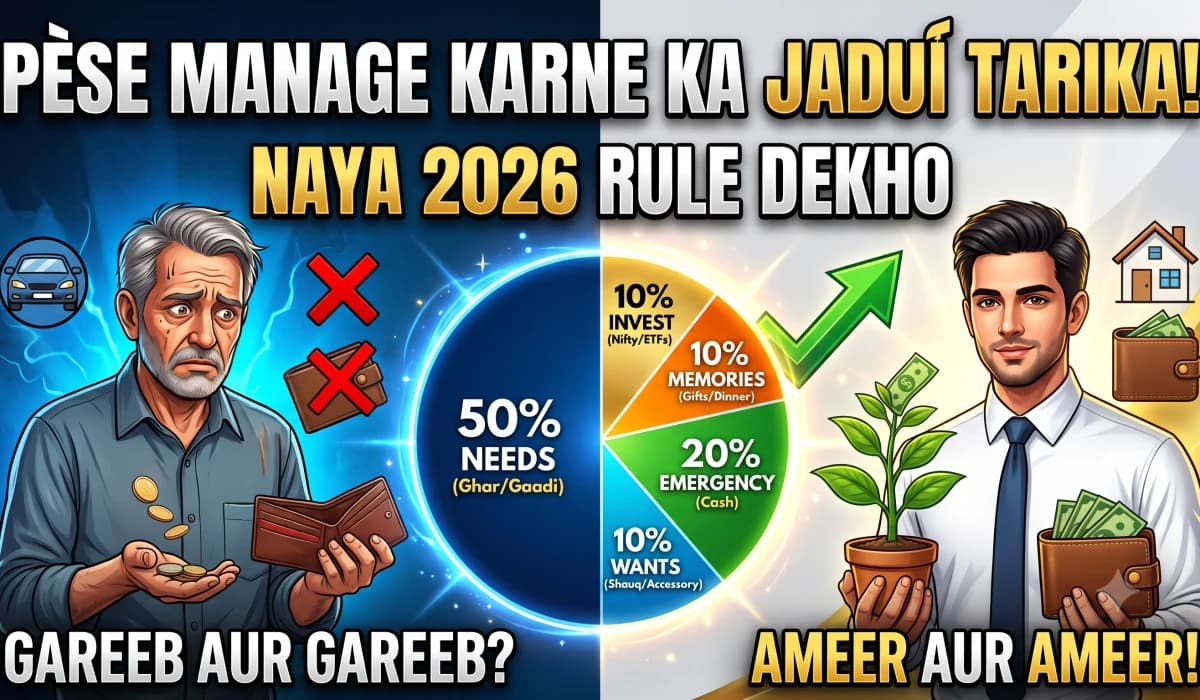
Dekh, ameer aur ameer hota hai, gareeb aur gareeb — ye line to suni hogi. Par farak sirf itna hai ki ameer aadmi apne paise ko ek alag nazar se dekhta hai. Paisa kamana apni jagah, par usse sahi se sambhalna bilkul alag kala hai. Main khud bachpan mein sochta tha ki salary aati hai to bas khatam, agli salary tak wait. Phir thoda akal aayi.
Mera ek simple sa funda hai, koi rocket science nahi. Salary haath mein aate hi, jo bhi post-tax milti hai, uska kuch hissa nikaal kar side karo. Chahe 10k kamao ya 1 lakh, bas 10% nikaal lo investment ke liye. Agar 1 se 2 lakh ke beech mein ho to 20% sochna, 2-3 lakh to 30%, aur 3 lakh se upar hai to bhai 40% to banta hai. Main khud 15 hazar ki naukri pe 1500 rupaye SIP mein daal deta tha, shuru mein ajeeb laga par dheere dheere aadat ho gayi. Ab to jaise salary aayi nahi ki haath apne aap SIP wale hisse ko alag kar deta hai.
Aur SIP ka jadoo dekh — agar 10,000 har mahine daalo kahin jahan 15% type return ho, 20 saal mein tumne bas 24 lakh daale hain, lekin compounding ka khel aisa hai ki wo amount 1.5 crore ke aaspaas ho sakta hai. 25 saal mein to 3 crore bhi paar. Ye sunke mera bhi dimaag ghoom gaya tha, par maths sahi hai. To der mat kar, bas shuru.
Ab kahan daalein? Main to seedha index ETF le leta hoon. Bina jhanjhat, bina kisi agent ke chakkar ke. Share market mein jaise share khareedte hain, waise hi. Nifty BeES hai — wo apne aap India ki top 50 companies mein paisa laga deta hai, boring cheez hai par solid. Midcap ETF thoda fast hai, kabhi upar kabhi neeche. Smallcap bhi hai chhoti companies ke liye, risk zyada par returns ka chance. MAFANG naam ki cheez suni thi, wo US ki badi tech companies mein paisa lagati hai, global touch. Maine ek baar MAFANG liya tha, thoda feel aaya ki abroad invest kar raha hoon.
Par ek trick hai — SIP ki date salary aane ke agle din rakh. Nahi to main khud ke baare mein bataun, mera haath bahut saaf hai, paisa pada raha to udd jaata hai. To maine apna SIP "bhoot" naam rakha hai, aata hai agle din, chupchaap paisa le jaata hai, mujhe pata bhi nahi chalta. Ye discipline ka chhota sa jugaad hai, roz motivation to aati nahi.
Motivation wali baat sun — wealth banane ke liye roz ka boring discipline chahiye, gym jaise. Pehle din Josh, par body tabhi banti jab roz jaao, mann na kare tab bhi. Main bhi 2 mahine discipline rakhta hoon, phir 1 mahina aalas. Par paise ke mamle mein thoda strict rehna seekh raha hoon. Padha tha kisi jagah ki 92% log jo ekdum kattar saving shuru karte hain, wo kuch hafton mein frustrate hoke ek saath bada kharch kar dete hain. Apne saath aisa mat hone dena, thoda maze bhi karo.
Maine to ek alag account bana rakha hai, naam diya "Memories Fund." Isme salary ka 10% daalta hoon, guilt-free sirf khushi ke liye. Family ke saath mahine mein ek baar dinner ya movie, maa ke saath kabhi golgappe kha leta hoon — chhoti cheez, par sukoon alag. Kabhi beech mein doston ke saath trip, ya akela kisi shaant mandir chala jaata hoon. Kabhi kisi bhookhe ko khana khila diya, mann halka ho jaata hai. Apne shauk ke liye bhi — main badminton khelta hoon, ek accha sa racket liya tha isi fund se. Ye paisa socho ki yaadein bana rahe ho, investment hi hai.
Ab zaroori kharch ki baat. Koshish karo ki tumhari salary ka 50% hi ghar ke basic needs mein jaaye. Isme sabse bada hissa makaan ka — rent ya EMI 25% se upar nahi jaana chahiye. Agar ghar apna hai ya maa-baap ke saath rehte ho, to samjho kismat acchi hai. Agar kam income hai to pareshan mat ho, yaar. Mere ek dost ne kaha tha, "9 se 5 ki naukri bill bharti hai, 5 se 9 ki mehnat empire bana sakti hai." To naye skills seekhne mein paisa lagao — video editing, coding, digital marketing kuch bhi. Rent badhane ka bhi ek jugaad hai, landlord se politely baat karo, keh do budget nahi hai badhane ka, aksar wo maan jaate hain kyunki naya tenant dhundhne ka jhanjhat nahi chahiye. Maine khud ek baar aise rent rok diya tha.
Gaadi ka bhi yahi, bhai. Gaadi status symbol nahi, bas A se B jaane ka sadhan. Mera simple rule: gaadi ki keemat tumhari 6 mahine ki income se zyada nahi honi chahiye. Agar 50,000 kamate ho to 3 lakh ki gaadi, 10 lakh ki nahi. Monthly kharcha — EMI, petrol, maintenance sab milake 12.5% se upar mat jaao. Main to ek baar second hand luxury car dekh raha tha, dost ne bataya uska suspension change karne mein 80 hazar lage the, bas chupchaap Alto hi theek hai. 😂
Emergency fund ki baat bhoolna mat. Har mahine 20% side mein rakho ek high-interest account mein, jahan monthly interest aata ho. Ye paisa sirf tab chhedo jab aag lagi ho — medical emergency, job chali gayi, achanak kuch. Main apna bana raha hoon, ab tak 4-5 mahine ka kharcha jama ho gaya, raat ko neend acchi aati hai.
Bache hue 10% se apni marzi karo — kapde, joote, gadget. Par ek sujhaav: designer joote ya mehngi ghadi ki jagah agar thoda gold ka chain ya ring le lo, to pehenne ko bhi hai aur asset bhi, waqt ke saath value badhti hai. Maa ne ek baar chain dilwa diya, pehenta hoon, accha lagta hai.
Bas yaar, yahi meri bakwaas hai. Koi structure nahi, bas bol diya. Paisa marathon hai, race nahi, dheere dheere seekho. Jo galti maine ki, tum mat karna — jaise emergency fund se naya phone lena, aaj bhi regret hai.
Disclaimer: bhai main CA nahi, SEBI wala nahi, jo likha apni akal se seekha. Koi bhi investment se pehle kisi jaankaar se zaroor poochhna.
Ab bata, tera koi personal funda hai aisa? Comment kar, main bhi seekh loonga.
Financial Expert
Personal Finance & Govt Schemes Specialist